
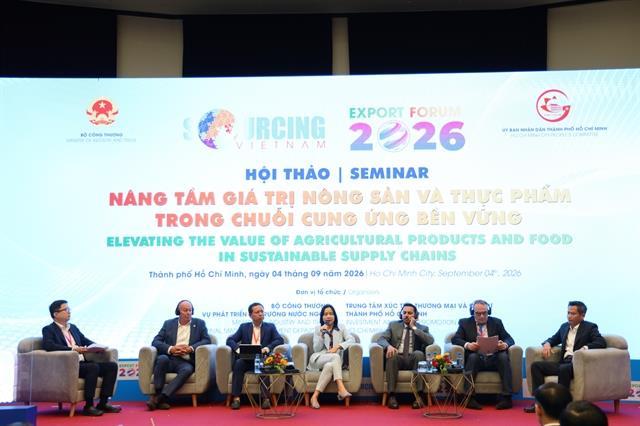
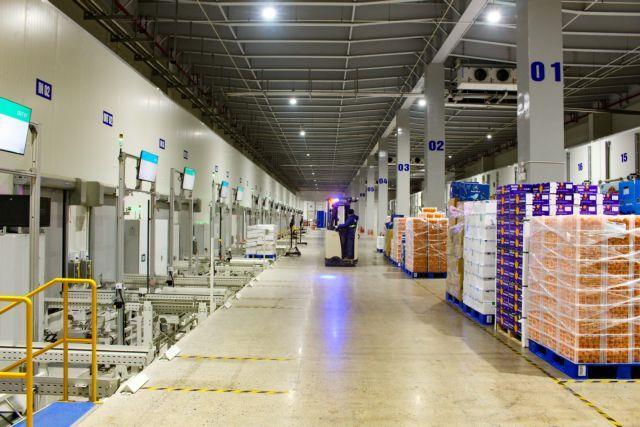
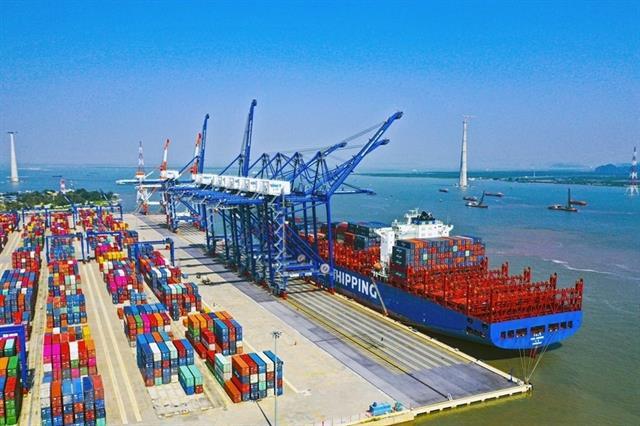
Global supply chains are being redrawn, creating a window of opportunity for Việt Nam to deepen its role in regional trade — provided the country can move faster on infrastructure, digitalisation and green logistics.
Logistics has become a decisive factor in supply chain competitiveness. The country''s total import-export turnover is projected to reach approximately $1 trillion for the full year of 2026.
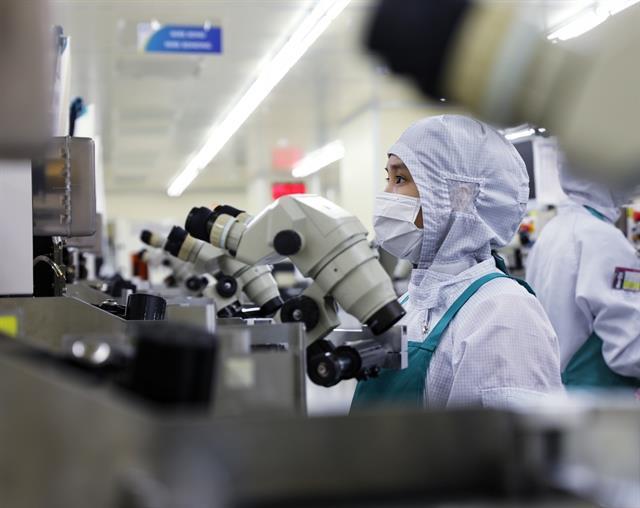
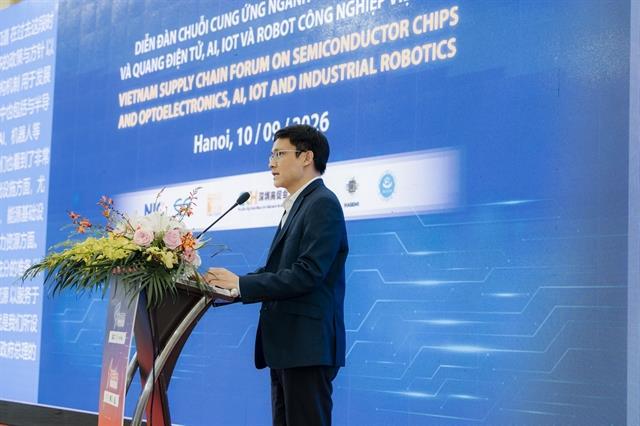
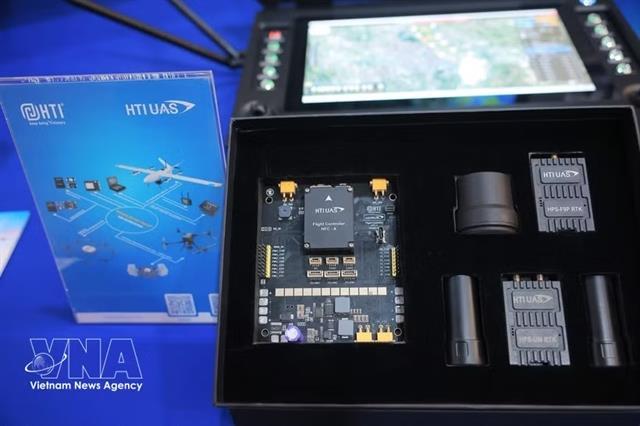
The Việt Nam-US semiconductor partnership is therefore not simply a “golden opportunity” arising from geopolitical shifts, but also a long-term test of Việt Nam’s institutional reform and implementation capacity. If domestic capacity cannot keep pace, adjusting targets toward quality and...
The tariff decision should be seen as a prompt for Vietnamese businesses to reposition their competitiveness, strengthen their supply chains and move higher up global value chains.
Việt Nam is South Korea''s fourth-largest export market for agricultural and food products, and demand for Korean food continues to rise alongside the spread of Korean popular culture.
The country exported about 145,700 tonnes of pepper worth US$940.5 million in the January-June period, up 17.4 per cent in volume and 10.6 per cent in value year-on-year, according to the association.
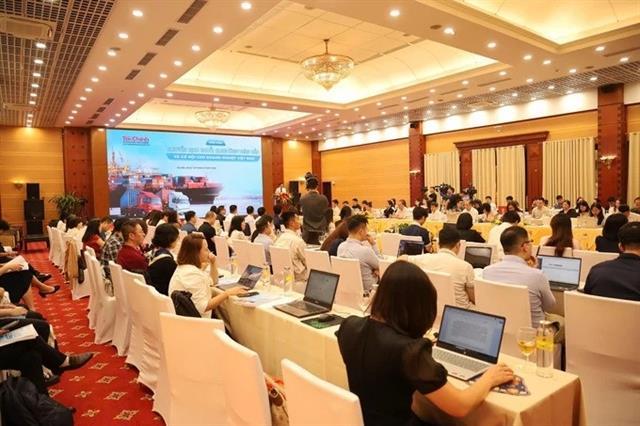
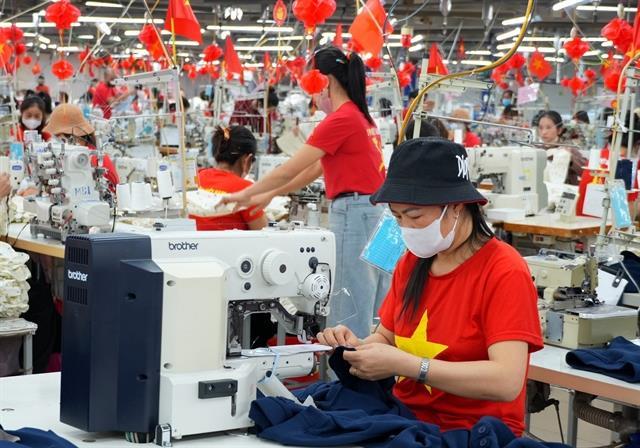
Strengthening supporting industries is essential to enhancing Việt Nam''s industrial competitiveness, increasing localisation and reducing reliance on imported inputs, officials and industry leaders said at a forum in HCM City on July 2.
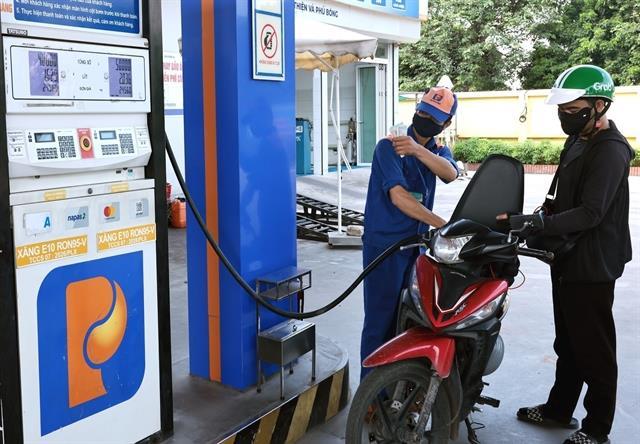
The nationwide rollout of E10 biofuel gasoline is creating a significant market for domestically produced ethanol, boosting demand for cassava and agricultural by-products.
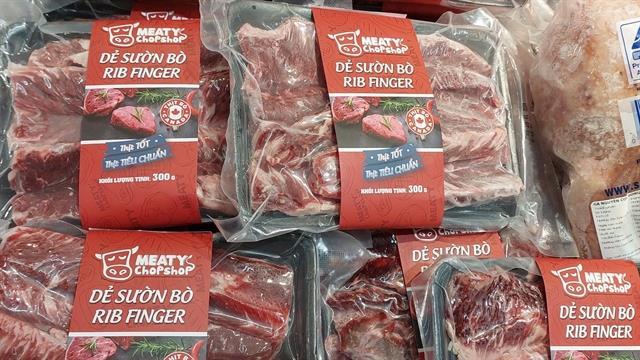
Products classified as high-risk will be required to have traceability information registered and verified before being put into circulation on the market from July 1, according to new circular issued by the Ministry of Industry and Trade on June 11.
The Vietnam Real Estate Forum 2026 took place on Tuesday, bringing together policymakers, industry experts and businesses to discuss the future of the property market.
Businesses that have fully integrated ISO and ESG systems account for just 10-15 per cent of the total, and are mainly foreign-invested firms, large exporters and state-owned enterprises.
Although Việt Nam has become an attractive destination for global foreign direct investment (FDI), most Vietnamese businesses have remained outside global supply chains or only take part in the lowest value-added stages.